Sand demand for buildings is expected to rise by 45% by 2060, but sand is needed to support biodiversity and maintaining ecological balance, also key to tourism and fisheries. The report was written by 27 experts and more than 30 contributors, including Laetitia Navarro, researcher at the Doñana Biological Station – CSIC
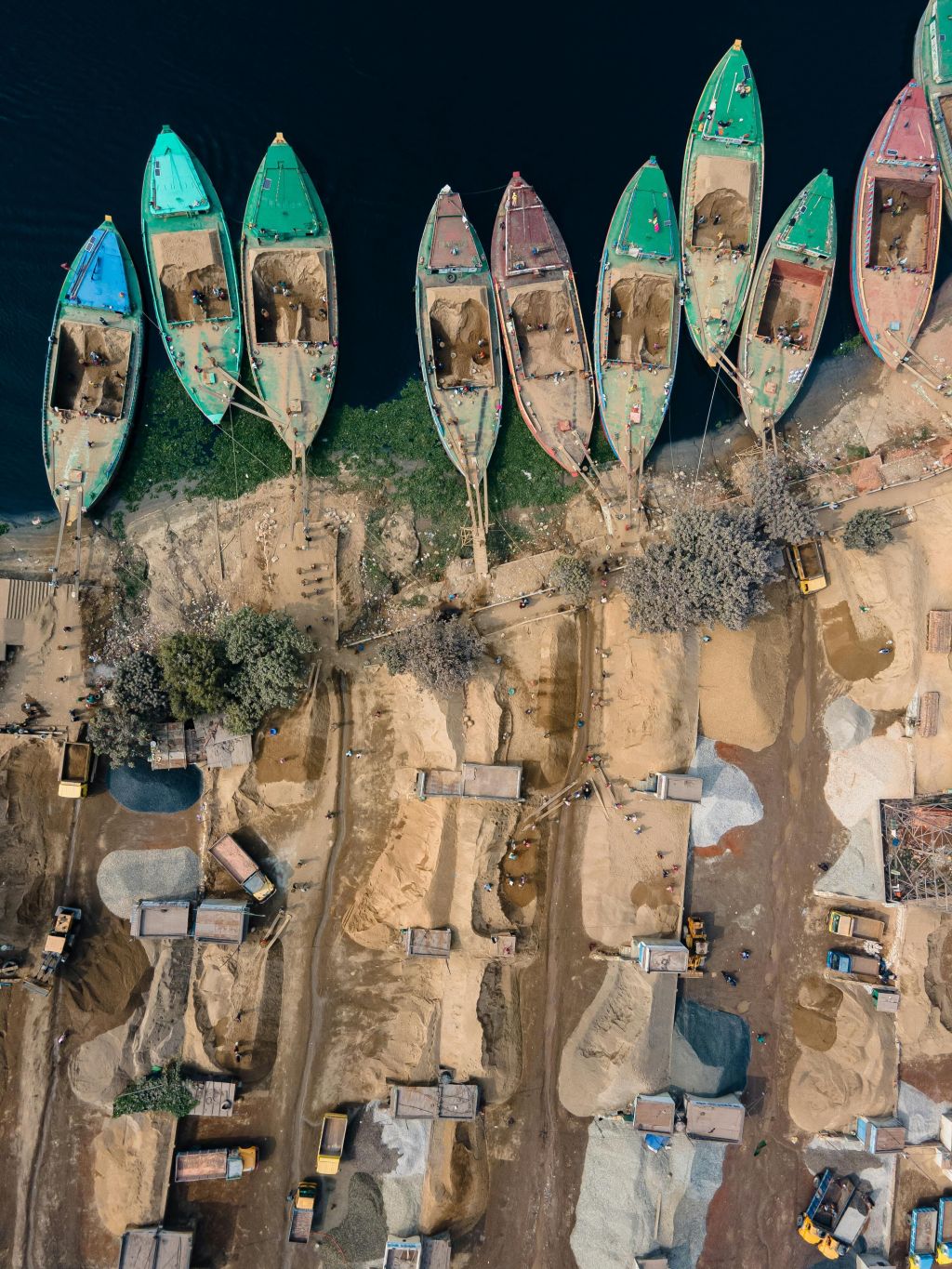
Sand extraction in Bangladesh. Rakibul Alam Khan.
Surging global demand for sand, driven by population, economic, urbanization and infrastructure growth, is outpacing sustainable sand supply, threatening the ecosystems and livelihoods on which we depend, according to a new UN Environment Programme (UNEP) report, Sand and Sustainability: An Essential Resource for Nature and Development. The report was prepared by 27 experts from around the world and more than 30 contributors, including Laetitia Navarro, researcher at the Doñana Biological Station – CSIC.
Sand is extracted for various infrastructure needs that underpin modern society and development. It took nature hundreds of thousands of years to generate sand through gradual, geological erosion processes. Yet we are using sand at the staggering rate of 50 billion tonnes per year; its use for buildings alone is projected to rise by up to 45 per cent by 2060. We are extracting it faster than it replenishes - this is the sand gap.
Sand also provides critical habitats for fish, turtles, birds, crabs, and countless other species, supporting biodiversity and maintaining ecological balance - also key to tourism and fisheries. It is essential for nature, food and water security. Leaving sand within ecosystems can help achieve the Kunming–Montreal Global Biodiversity Framework goal to conserve and manage 30 per cent of land, waters, and seas (terrestrial, inland water, and coastal and marine areas).
UNEP’s third Sand and Sustainability report calls on governments and industry to recognize sand’s essential value to development and nature, and to fully integrate biodiversity considerations in sand governance. A strategic approach is needed for this resource that underpins our built environment and economic development while sustaining biodiversity and ecosystem services.
Sand: Transformed and lost, or left to last
The report highlights a fundamental tension: once extracted and transformed into concrete, asphalt, glass, etc., sand is effectively lost from natural systems (“dead” sand). In contrast, sand in rivers, deltas, and coastal zones (“alive” sand) continues to sustain the stability of our landscape and essential ecosystem functions: filtering water, regulating river flows, protecting shorelines from erosion and storm surges, preventing salinization of coastal aquifers, and sustaining biodiversity. In nature, sand lasts.
Demand therefore exists for sand in both its “dead” and “alive” states, but these uses are in direct competition. Deciding whether to take it or leave it requires better data, mapping and monitoring to identify areas of high ecological value and assess cumulative impact. It also calls for greater transparency in extraction permits, project approvals, and financing flows.
Recognizing sand as an integral part of nature and an essential asset would require coordinated governance across sectors and scales, supported by long-term planning to balance supply needs with ecosystem protection.
The report highlights evidence from many parts of the world where unsustainable sand extraction is causing supply shortages and resulting in both environmental degradation and growing opposition from affected communities whose livelihoods are at risk. Data from UNEP’s Marine Sand Watch shows about half of dredging companies are operating within Marine Protected Areas (MPAs), accounting for 15 per cent of the volume dredged. Ensuring that protection translates into meaningful ecological outcomes will require robust impact assessments, transparent decision-making, and effective long-term monitoring to prevent MPAs from becoming de facto extraction zones.
Early and coordinated intervention on sand sustainability remains possible and cost-effective. As a globally used resource, addressing sand sustainability would require enhanced regional coordination and, possibly, global governance mechanisms. The report also calls on countries to develop national and sectoral roadmaps for responsible sand management, building on existing UNEP tools (Marine Sand Watch, Sand And Sustainability onine tool, evaluation of sand national use methodology, all available at https://unepgrid.ch/sand).
The report concludes with actionable policy measures and an assessment tool to support more sustainable sand management at local, national, and regional levels. Be it for development or nature, sand is an essential resource for our future, we need to choose wisely and use it with car.