10 April 2026
CSIC leads the most comprehensive inventory of Doñana’s vertebrates, with 700 species recorded since the early 20th century
Birds are the most diverse group, with 417 species in the Doñana Biosphere Reserve, followed by fish with 182 species
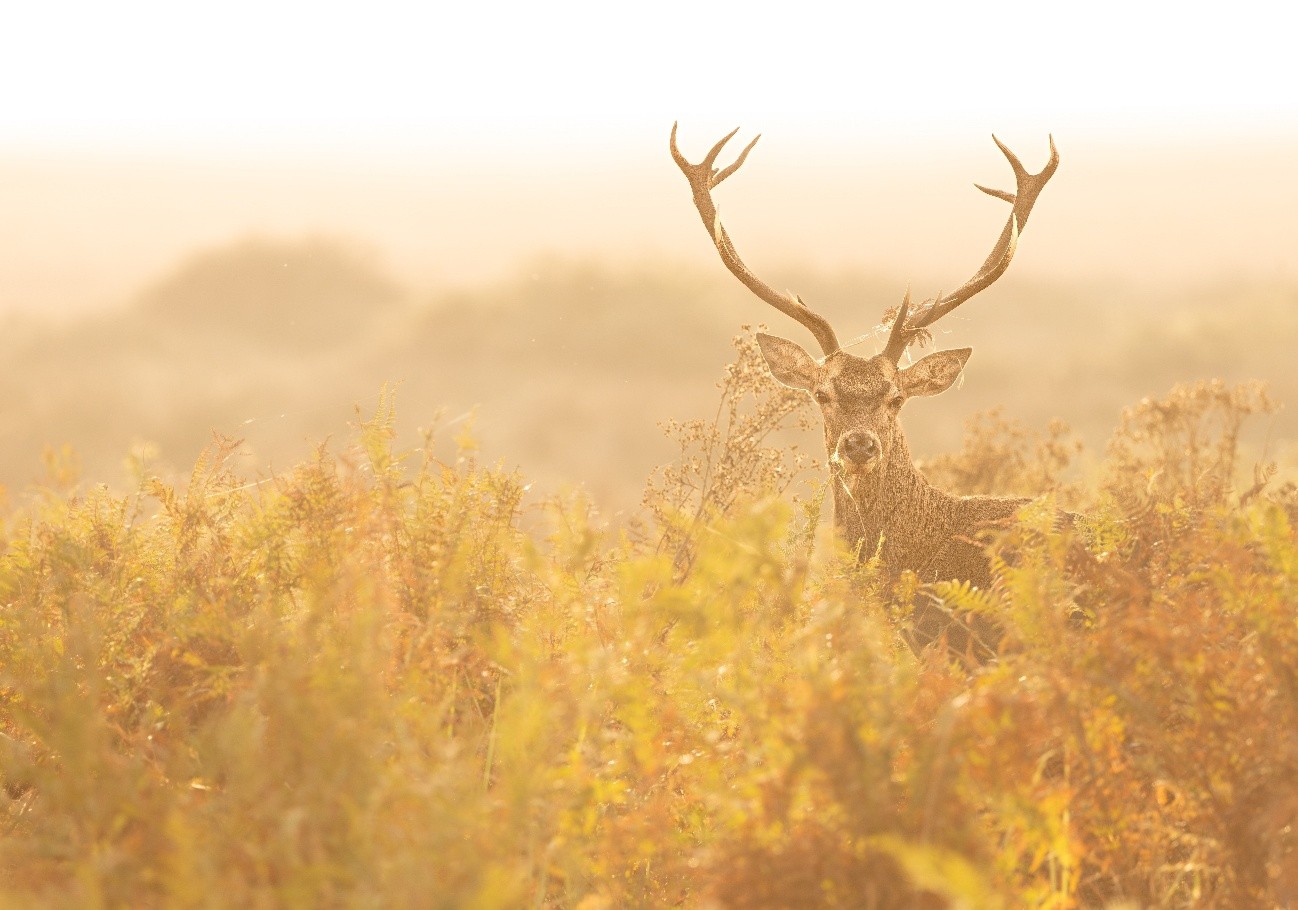
A red deer (Cervus elaphus) in Doñana. Photo: Jacinto Román
Fermín Grodira / Content produced as part of the CSIC–BBVA Foundation Grant Program for Scientific Communication, 2024 Call for Proposals
Biodiversity checklists are not static documents; they must be updated as scientific knowledge expands. The discovery of new species, taxonomic changes, and the critical reassessment of earlier records can all alter their content. As a result, species are not only added but also removed when their presence is considered doubtful or erroneous in light of new evidence. A collaborative effort involving scientists from multiple national research centers and universities, led by the Doñana Biological Station of the Spanish National Research Council (EBD-CSIC), has produced a validated checklist of Doñana’s vertebrates, published in the scientific journal ZooKeys. This work updates current knowledge of biodiversity in this protected yet threatened area.
The inventory includes 700 vertebrate species, with birds (417) and fish (182) as the most diverse groups. Amphibians are the least represented taxon in Doñana, with just 11 species, all native. Reptiles account for 29 species, while 61 mammal species have been recorded, excluding domesticated animals such as livestock, dogs, cats, and domestic pigeons present in the reserve. Nearly half of the species (339) are known to breed in the area, while marine fauna remains the least well understood component of the ecosystem.
To date, 32 non-native species have been identified, including the common chameleon (Chamaeleo chamaeleon), the fallow deer (Dama dama), and various African cage birds. In contrast, seven species listed since the early 20th century are now regionally extinct, such as the wolf (Canis lupus), the Andalusian buttonquail (Turnix sylvaticus), and the European sturgeon (Acipenser sturio). For two species—the wildcat (Felis silvestris) and the European polecat (Mustela putorius)—there have been no reliable records for more than a decade, according to the study..
“These lists are essential tools for documenting species richness in an area, monitoring the presence of non-native species, and recording information on extinctions or the arrival of new species,” the researchers note. Species inventories highlight the importance of a territory for biodiversity conservation
The authors emphasize that despite being one of the most internationally renowned and well-studied natural areas in the world, Doñana lacked an accessible checklist based on explicit criteria. “This updated and comprehensive list of vertebrate species is a significant contribution to local and regional biodiversity knowledge, providing a solid foundation for future monitoring. Its value lies not only in its completeness, but also in the taxonomic verification and validation achieved thanks to the expertise of local researchers and managers,” they conclude.
The study involved CSIC researchers from the Doñana Biological Station and the Andalusian Institute of Marine Sciences, as well as contributors from the Carlos III Health Institute, the University of Huelva, the Espacio Natural de Doñana (Doñana Natural Area), TRAGSATEC, and the Iberian Society for the Study and Conservation of Mammals (SECEM)..