Pesticides and habitat loss jointly drive decline of wild bees in crop fields
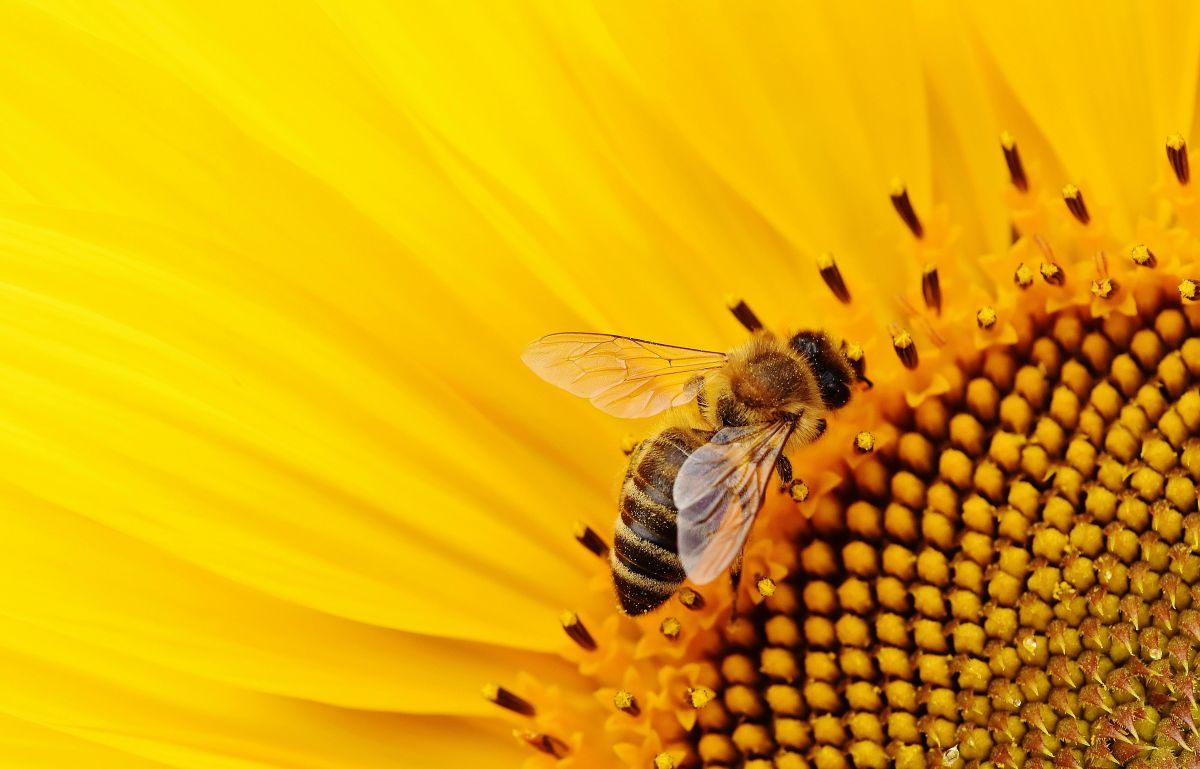
A new international study shows that the combination of intensive pesticide use and the loss of semi-natural habitats poses a major threat to wild bees in agricultural areas. The study, published in Nature Ecology & Evolution and involving the researcher Carlos Martínez Nuñez from the Doñana Biological Station, compiles data from 36 studies and more than 600 crop fields across three continents. The results suggest that, in addition to restoring habitats, reducing pesticide hazards is essential for the conservation of wild bees.
Wild bees are crucial pollinators for both crops and wild plants, yet their populations continue to decline in many parts of the world. Habitat loss has long been considered the primary driver of these declines, while concerns about the negative side effects of pesticides have grown. This has led to global policy efforts—such as the COP15 goals under the Convention on Biological Diversity—to conserve habitats and reduce pesticide use.
More habitat helps, but it is not enough
The new study, led from the Swiss research center Agroscope, compiles detailed information on pesticide application rates and toxicity, as well as morphological and phylogenetic traits of around 900 wild bee species. The results show that pesticide hazards in crop areas, and the reduction of semi-natural habitat in surrounding landscapes, consistently reduce wild bee abundance and species richness.
Semi-natural habitats, such as grasslands, hedgerows, and forests, provide food and nesting resources for wild bees. Their conservation and restoration are therefore essential, but the study warns that this alone is insufficient to offset the harmful effects of pesticides. For the conservation of pollinators, it is also necessary to reduce pesticide risks.
The study further reveals that pesticides also reduce the functional and phylogenetic diversity of bee communities, potentially weakening ecosystem functioning. Bee communities exposed to higher pesticide hazards represent impoverished versions of those found in low-hazard fields. Species disappear from the community without being replaced by others, leading to a loss of pollinator diversity in croplands. In this regard, the impact of pesticides was stronger than that of habitat loss, potentially because agricultural fields can also provide habitat for certain bee species.
Policy relevance
The findings raise concerns about the sustainability of current agricultural practices, particularly given the importance of diverse pollinator communities for stable crop yields.
According to the research team, it is urgent to implement coordinated strategies that simultaneously address pesticide risks and habitat loss. Otherwise, essential pollinators for global food production could be lost.
Beyond strengthening pesticide regulations and technological advances, the study advocates for integrated pest and pollinator management, as well as agroecological approaches to transition toward less chemically dependent agriculture. The authors also encourage reinforcing global policy efforts, such as the European Union’s “Farm to Fork” Strategy, which paves the way toward a more sustainable food system.
Reference
Anina Knauer et al. Pesticides and habitat loss additively reduce wild bees in crop fields. Nature Ecology and Evolution https://www.nature.com/articles/s41559-025-02924-z