An analysis of more than 19,000 birds reveals which species are most exposed to West Nile virus
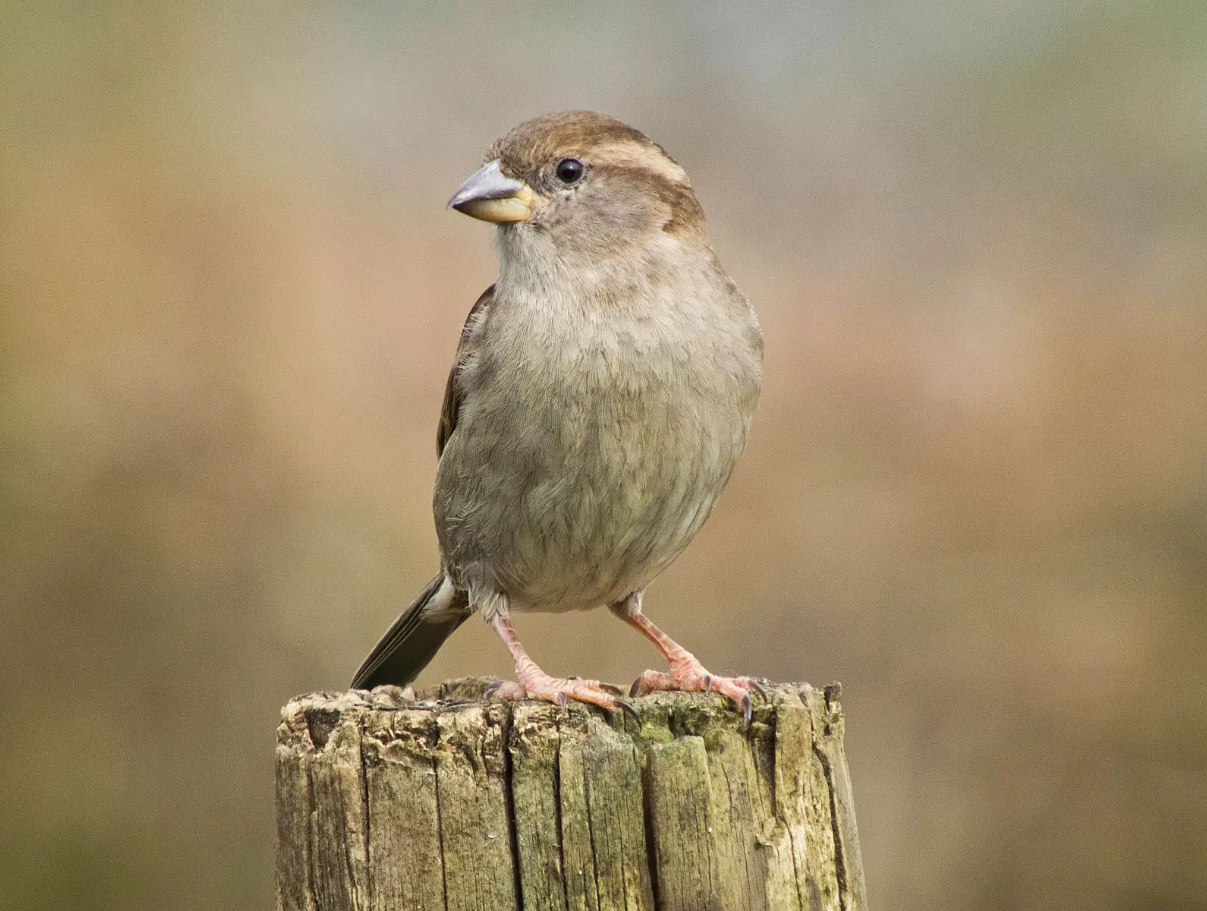
The house sparrow was one of the species with the highest West Nile virus seroprevalence during outbreak years. Credit: Steve Herring / Animalia
A study by the Doñana Biological Station (EBD-CSIC) shows that bird characteristics such as body size, habitat and migratory behaviour influence their exposure to West Nile virus. The research, published in One Health, reveals that the virus has been circulating in Andalusia since at least 2003 and highlights the key role of urban birds in spreading the infection during human outbreaks.
West Nile virus is a mosquito-borne pathogen that infects birds, although it can occasionally infect humans and horses. It is considered a re-emerging pathogen in Europe, with recurrent outbreaks reported in Spain, including those in 2020 and 2024. However, the factors that cause virus incidence to vary depending on location and time of year remain poorly understood.
Crucial differences
For the study, the research team analysed the presence of West Nile virus antibodies in more than 19,100 blood samples from 48 different bird species. The samples were collected in southern Spain over a period of two decades, between 2003 and 2024, covering periods with varying levels of West Nile virus incidence in humans.
The results show that the presence of antibodies against the virus varies considerably between species. In total, 41 of the species studied had developed virus-specific antibodies. Genetic relatedness between species also influenced the results. The more closely related two bird species were evolutionarily, the more similar their exposure to the virus.
Bird traits were equally important. Species with greater body mass had a higher prevalence of antibodies, whereas species with longer beaks showed lower seroprevalence (the proportion of individuals that have developed defences against the virus). Antibody prevalence also increased with the age of the birds.
Finally, a relationship was observed between habitat type and years in which West Nile virus outbreaks occurred in humans in Andalusia. Urban species, such as the house sparrow (Passer domesticus) and the common blackbird (Turdus merula), showed higher seroprevalence during outbreak years than in years without outbreaks. By contrast, no such differences were observed in non-urban species.
A public health concern
Given that urban birds showed higher West Nile virus seroprevalence during human outbreaks, the research team highlights the need to include these species in surveillance programmes aimed at detecting increases in virus circulation at an early stage.
"The fact that urban birds show greater exposure to the virus during years when human outbreaks occur indicates that the virus is actively circulating within cities during these episodes," explains Ana Irina Martín-López, a predoctoral researcher at the Doñana Biological Station and lead author of the study.
Mosquito control is equally important. Prevention efforts should prioritise mosquito control in urban areas and their surroundings, particularly in places that provide suitable breeding sites and where the proximity of mosquitoes, birds and people facilitates transmission.
"Overall, the findings reinforce the importance of a One Health approach, in which the surveillance of birds, mosquitoes and people is considered together in order to understand and anticipate the circulation of this zoonotic virus," concludes Jordi Figuerola, CSIC Research Professor at the Doñana Biological Station and coordinator of the study.
Reference
Ana Irina Martín-López, Josué Martínez-de la Puente, Sergio Magallanes, Jesús Veiga, Martina Ferraguti, Ramón Soriguer, Francisco Llorente, Pilar Aguilera-Sepúlveda, Miguel Ángel Jiménez-Clavero & Jordi Figuerola. Life-history traits associated to West Nile virus seroprevalence in wild birds: Lessons from the recent outbreaks in Spain. One Health (2026) https://doi.org/10.1016/j.onehlt.2026.101571